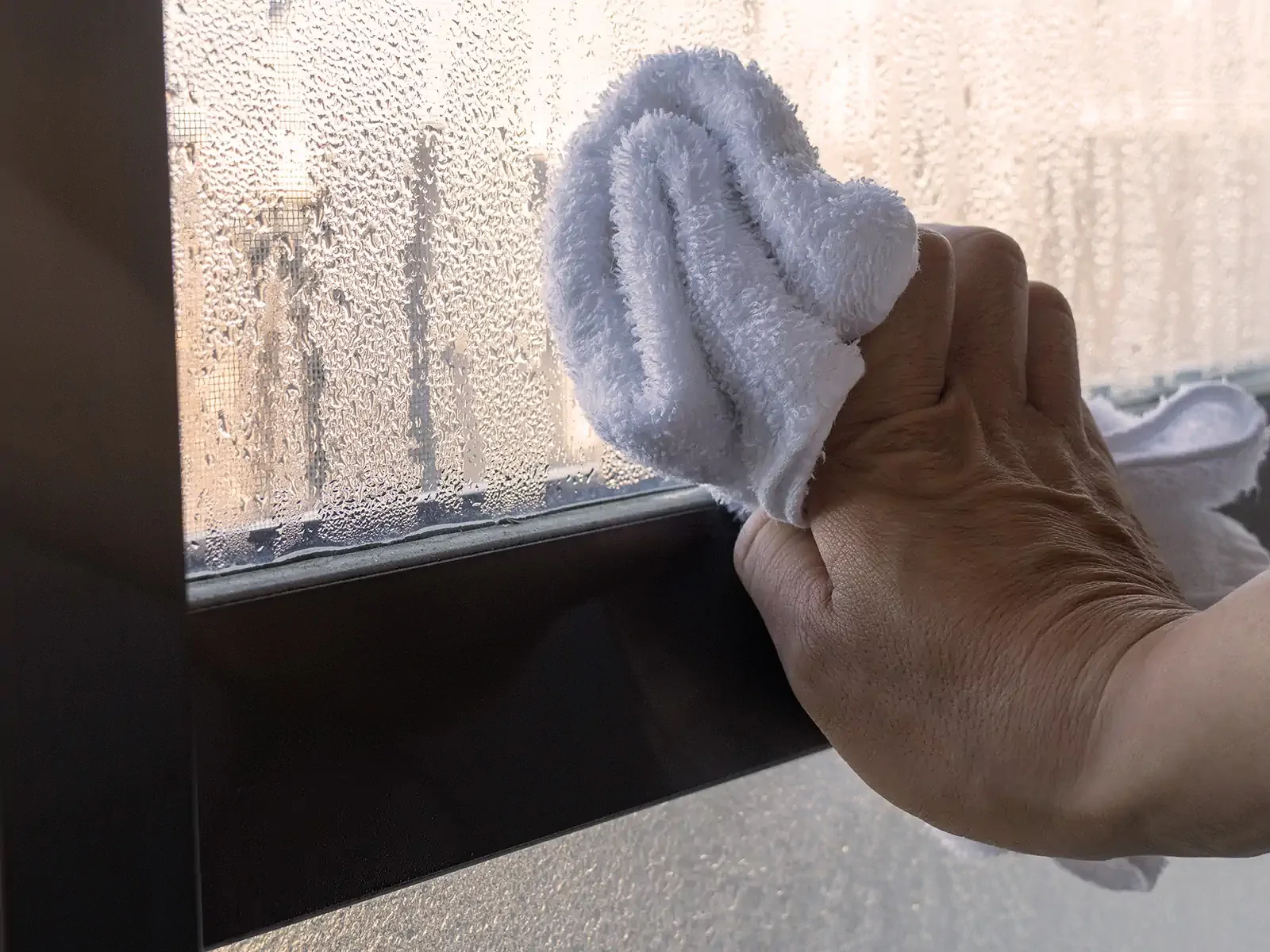
Condensation and Mould Safety
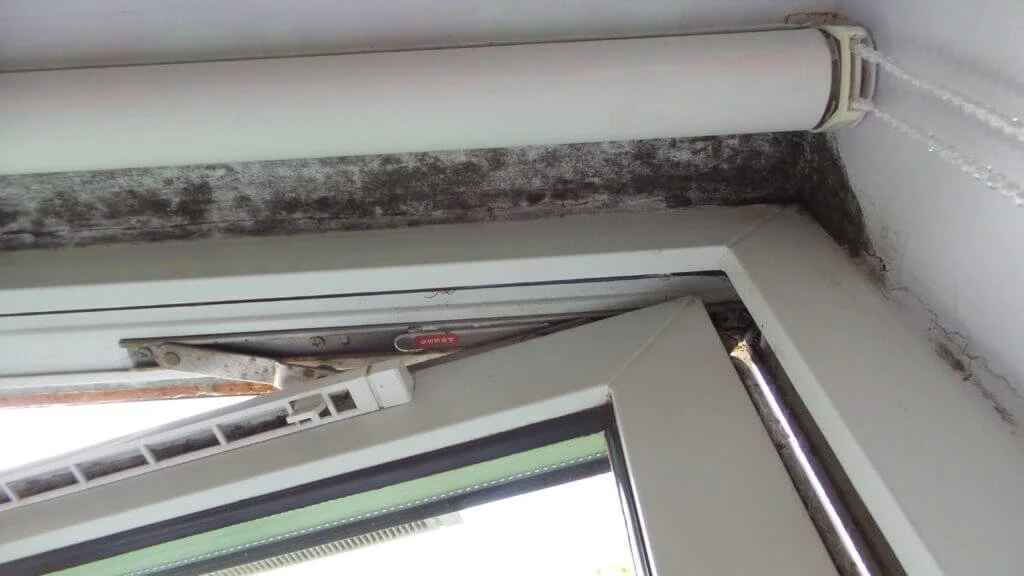
Causes & Identification
Condensation: Occurs when warm, moisture-rich air hits cold walls or windows and turns into water droplets.
Warning signs: Musty smells, black spots on walls or ceilings, peeling wallpaper, bubbling paint, and water droplets on windows.
Triggers: Drying clothes indoors without ventilation, cooking without lids or extractor fans, and underheating rooms
Safe Removal & Cleaning
Protect yourself: Wear a P2/N95 face mask, gloves, and protective goggles to avoid breathing in spores.
Use proper cleaners: Clean small patches using a 1:1 mix of white vinegar and water or an official fungicidal spray. Avoid dry-brushing or vacuuming mould, as this sends spores into the air.
Avoid bleach: Bleach is not reliably antifungal on all surfaces and can increase room humidity
Health Risks
Respiratory issues: Can trigger or worsen asthma, allergies, and lung infections.
Vulnerable groups: Children, older adults, and people with pre-existing health conditions face the highest risks.
Irritation: Causes sore eyes, skin rashes, and general distress
Prevention Tips
Ventilate: Open windows (on the latch) or run extractor fans during and after showering or cooking.
Manage moisture: Dry clothes outside when possible, use lids on pots, and wipe down window sills every morning.
Keep heat steady: Maintain a low, constant temperature to prevent cold walls from drawing condensation.
Report to landlords: If you rent, report structural dampness or severe mould immediately under the guidelines of the GOV.UK Damp and Mould Guidance.
Please contact us immidiately if you notice any mould in your home.
Our team will be happy to help.
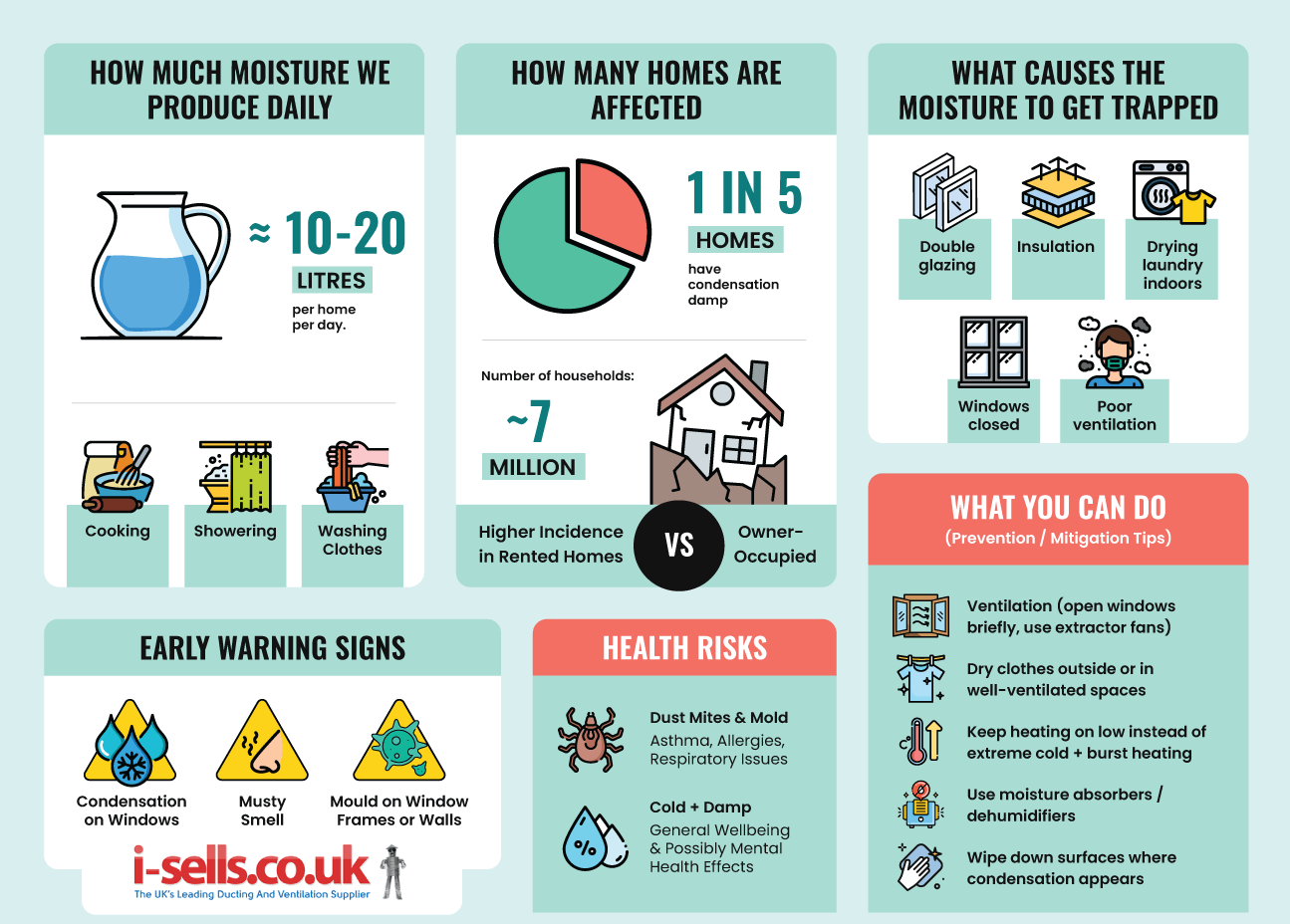
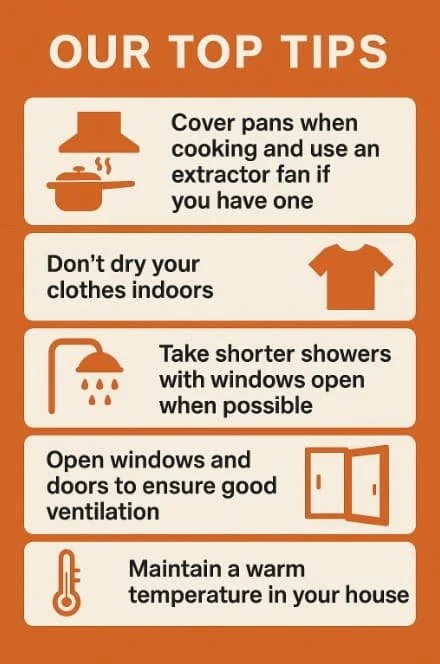
Condensation
Condensation in the home happens when warm, moisture-rich air touches a cold surface (like a window or external wall) and turns into liquid water
Health and Safety Risks
Black Mould Growth: Moisture feeds mould spores, which can release toxins and trigger respiratory issues, asthma flare-ups, and severe allergies.
Structural Decay: Prolonged moisture rots wooden window frames, warps flooring, ruins plaster, and rots structural supports.
Damaged Belongings: Mildew can ruin clothes stored in overstuffed wardrobes or ruin soft furnishings and carpets
How to Prevent and Reduce Condensation
Maintain Heating & Air Flow:
Keep the home at a steady, low background heat (ideally between 16°C and 20°C) to prevent cold spots on walls.
Leave small gaps between large furniture (like wardrobes) and external walls so air can circulate.
Wipe down window sills and glass daily with a dry cloth
Control Moisture at the Source:
Put lids on pots and pans while cooking.
Avoid drying wet laundry directly on radiators. Dry clothes outdoors or in a closed room with a window open and the extractor fan running.
Avoid using portable bottled gas or paraffin heaters, as they release heavy moisture.
Improve Ventilation:
Keep window trickle vents open.
Use extractor fans in the kitchen and bathroom, keeping doors closed so steam doesn't spread.
Open windows briefly for cross-ventilation, especially after bathing or cooking.
Visual Signs
Condensation: Foggy windows, water droplets on glass or walls, and "sweating" pipes or air vents.
Mould and Mildew: Dark spots or fuzzy patches growing on bathroom walls, ceilings, window sills, or inside closets.
Peeling or Bubbling Paint: Paint that flakes, blisters, or wallpaper that lifts away from the wall due to trapped moisture underneath.
Water Stains: Yellow, brown, or discoloured rings on drywall, ceilings, or around window frames
.
Warped Surfaces: Hardwood floors that cup, swollen wooden doors, or sticky cabinets that refuse to close properly.
Rust and Corrosion: Metal tools, appliances, or shelving showing unexpected rust.
What To Do
If you notice any of these signs in your home, please get in contact with us immediately on 01706 759330.
Wipe away any condensation you can see around your home as soon as possible. This will help stop mould from forming and causing larger problems in your hope.
Please refer to the advice above on how to keep condensation away or to a minimum.
Sensory and Air Quality Signs
A damp, earthy, or stale smell—especially in basements, crawlspaces, or closed-off rooms.
Sticky or Clammy Air: Rooms that feel heavy, humid, or like a sauna even when the indoor temperature is cool.
Slow-Drying Items: Towels, bedsheets, or indoor laundry that take much longer than usual to dry.
High Humidity Readings: An indoor hygrometer showing relative humidity consistently above 60% (ideal levels are generally between 40% and 60%