Electrical Safety
Practice home electrical safety by avoiding overloaded circuits, checking cords for damage, and keeping water away from appliances.

Sockets and Extension Leads
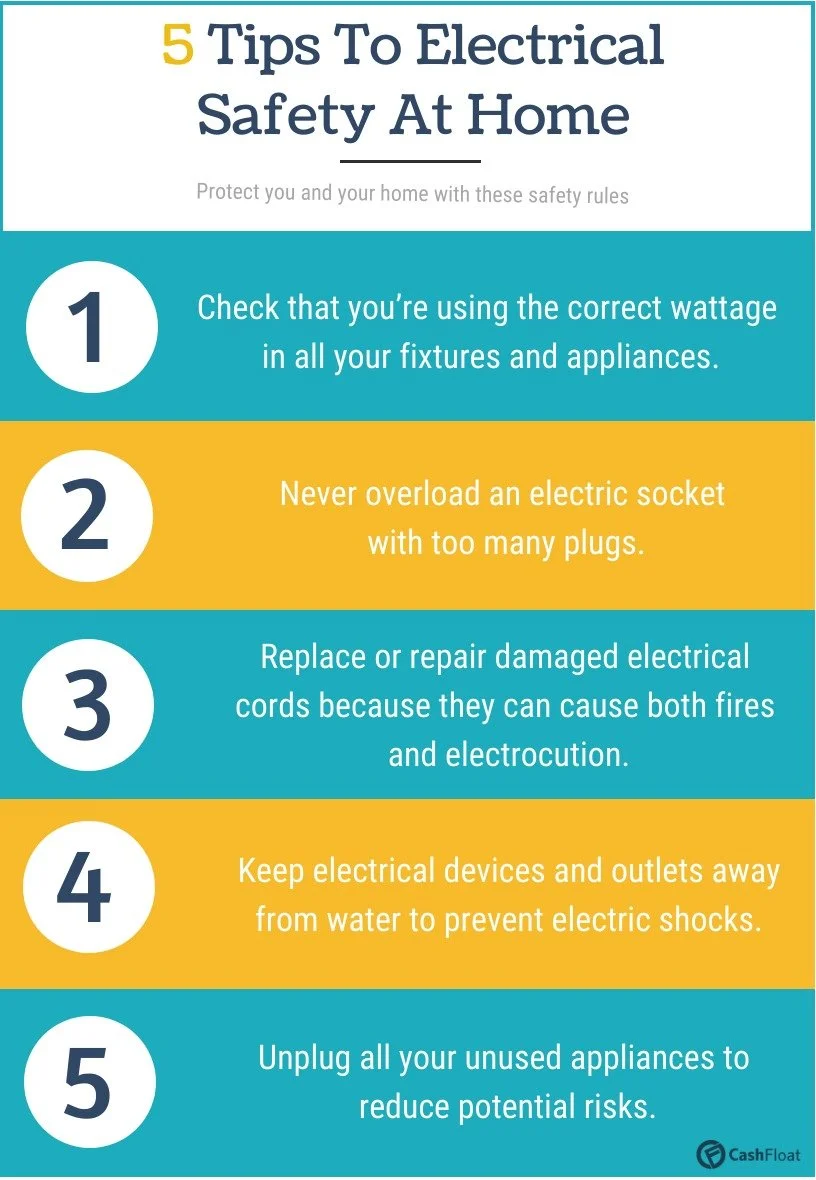
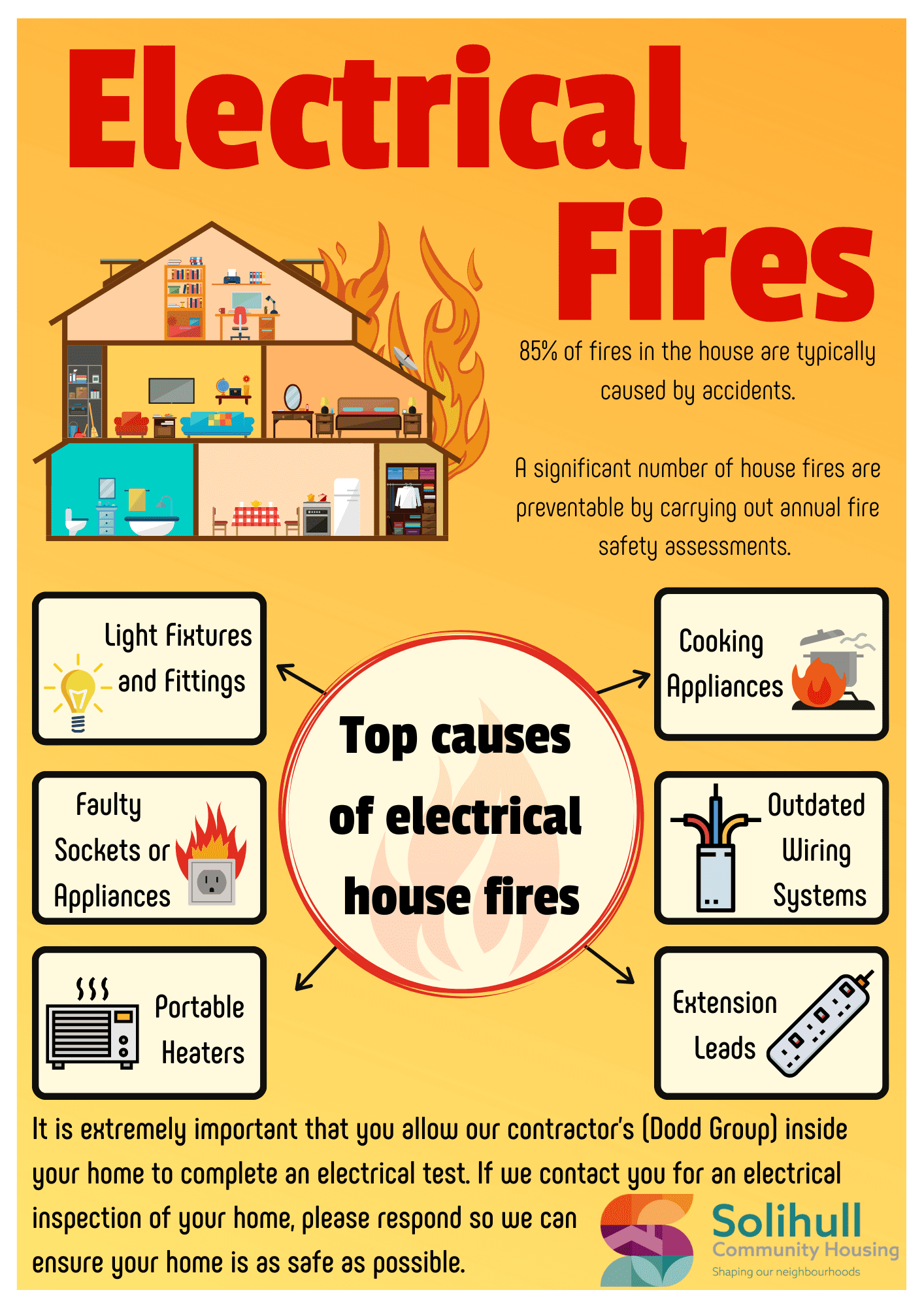
Avoid overloading: Stick to one plug per socket where possible, and never plug an extension lead or four-way socket into another extension lead.
Check the rating: Ensure extension leads do not exceed the 13-amp maximum limit.
Watch for damage: Stop using a socket immediately if you see burn marks, hear buzzing or crackling, or smell burning.
Keep cords clear: Never run cables or flexes under carpets or rugs where they can overheat and go unnoticed
Water and High-Risk Rooms
Keep away from water: Bathrooms, kitchens, and wet gardens carry a high risk of electric shock. Keep all mains-powered devices away from sinks, baths, and wet areas.
Dry your hands: Always make sure your hands are completely dry before touching a switch, plug, or electrical appliance.
Use RCD protection: Ensure your consumer unit (fuse box) includes a Residual Current Device (RCD) to cut the power automatically if a fault occurs. If your home lacks one, use plug-in RCD adapters.
Appliances and Chargers
Check safety marks: Buy appliances and devices that display a valid UK/British or EU safety mark (such as UKCA or CE).
Inspect cords regularly: Look for frayed, cracked, or exposed wires, and replace damaged cables before using an item again.
Charge safely: Avoid buying cheap counterfeit chargers for lithium batteries, and do not leave phones or laptops plugged in to charge overnight or in bed.
Unplug when not in use: Turn off and unplug devices when you leave the house or go to bed to save energy and lower fire risks
Maintenance and Inspections
Hire a professional: Do not attempt DIY electrical wiring work.
Get periodic checks: Homeowners should have electrical installations tested by a registered electrician every 10 years (every 5 years for rented properties)